
YouTube and Its Founders: How a Simple Video Idea Reshaped the Internet and Media
When YouTube launched in 2005, it was not presented as a revolution. It was a practical response to a simple problem: sharing video online was complicated, slow, and often inaccessible to everyday users. Within a few years, however, this modest idea evolved into one of the most influential media ecosystems in history, redefining how content is created, distributed, and consumed across the globe.
The Origins of YouTube: From Practical Need to Global Concept
YouTube was founded in February 2005 by three former PayPal employees: Chad Hurley, Steve Chen, and Jawed Karim. The initial concept emerged from a basic frustration—there was no easy way to upload and share videos online. Existing tools required technical knowledge, specialised software, or large file transfers, which limited accessibility for the general public.
The first version of YouTube was intentionally simple. Users could upload videos in common formats, and the site automatically converted them into a format playable directly in a browser. This removed technical barriers and made video sharing as straightforward as posting text or images. The first video, titled “Me at the zoo,” uploaded by Karim, symbolised this simplicity and accessibility.
Timing also played a crucial role. Broadband internet was becoming more widespread in the mid-2000s, enabling faster video streaming. Combined with a growing appetite for user-generated content, YouTube quickly attracted attention. By late 2005, it was already handling millions of daily views, signalling that the idea met a real and growing demand.
Key Decisions That Accelerated Early Growth
One of the most important strategic decisions was allowing users to embed videos on external websites. This feature turned YouTube into a distribution engine rather than just a hosting site. Videos spread rapidly across blogs, forums, and early social networks, significantly increasing visibility without relying solely on direct traffic.
Another critical factor was the absence of strict content barriers in the early phase. While moderation existed, the service encouraged experimentation. This openness allowed a wide variety of content—from personal vlogs to music clips—to flourish, helping YouTube appeal to diverse audiences.
In 2006, Google acquired YouTube for $1.65 billion. This move provided the infrastructure and financial backing necessary to scale globally. It also integrated YouTube into a broader digital ecosystem, including search and advertising technologies, which would later become central to its business model.
Transformation of Media Consumption and Content Creation
YouTube fundamentally changed how people engage with video content. Before its rise, media consumption was largely passive, dominated by television networks and film studios. YouTube introduced an interactive model where viewers could comment, share, and even become creators themselves.
This shift led to the emergence of the creator economy. Individuals without formal media training could build audiences, monetise their content, and develop careers entirely online. Channels covering education, entertainment, technology, and lifestyle topics gained millions of subscribers, often rivaling traditional broadcasters in reach.
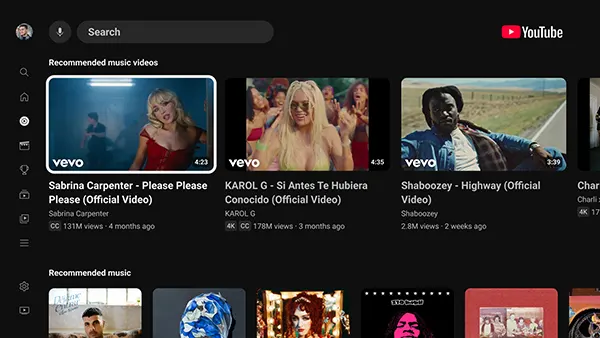
Algorithms also played a central role. YouTube’s recommendation system personalised content discovery, encouraging longer viewing sessions and deeper engagement. While this increased user retention, it also raised questions about content visibility, algorithmic influence, and information exposure.
The Rise of New Media Formats and Influencers
YouTube enabled entirely new formats that were not practical in traditional media. Short-form commentary, tutorials, reaction videos, and livestreams became standard categories. These formats prioritised authenticity and direct communication over polished production.
Influencers emerged as key figures in this ecosystem. Unlike traditional celebrities, they often built trust through consistency and relatability. This changed marketing strategies, as brands began collaborating directly with creators to reach specific audiences more effectively.
Educational content also expanded significantly. Universities, professionals, and independent educators used YouTube to share knowledge at scale. This contributed to wider access to learning materials, allowing users worldwide to find tutorials, lectures, and practical guides without formal barriers.
Economic and Cultural Impact in the Modern Digital Landscape
By 2026, YouTube is not just a video-sharing service but a major economic force. It supports millions of creators globally through advertising revenue, memberships, and partnerships. The creator economy linked to YouTube contributes billions annually to the global economy.
Advertising has evolved alongside the service. Instead of relying solely on traditional commercials, brands now use targeted video campaigns, influencer collaborations, and integrated content strategies. This has reshaped digital marketing, making video a central component of online communication.
Culturally, YouTube has influenced music, film, and even news consumption. Viral videos can launch careers, shape public opinion, and influence trends within days. At the same time, the service faces ongoing challenges related to misinformation, copyright enforcement, and content moderation.
Challenges and Future Directions for YouTube
One of the main challenges remains balancing openness with responsibility. As the service hosts billions of videos, ensuring accurate information and safe content requires constant refinement of moderation systems and policies.
Competition has also intensified. Short-form video services and streaming platforms are competing for attention, pushing YouTube to adapt with features such as Shorts and improved monetisation tools. These changes reflect broader shifts in user behaviour and content preferences.
Looking ahead, YouTube is likely to continue evolving as a hybrid media environment—part entertainment hub, part educational resource, and part economic infrastructure. Its influence on digital culture remains significant, and its development will continue to shape how people create and consume content worldwide.