
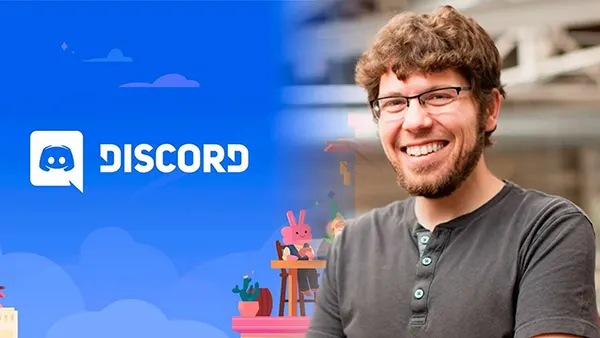
Discord and Jason Citron: How a Gaming Messenger Became a Global Communication Network
Discord started as a specialised communication tool for online gamers, yet by 2026 it has become one of the most influential digital communication services in the world. The company’s growth was not accidental. It reflected changes in online culture, remote collaboration, live communities, streaming, and digital entertainment. Jason Citron, the co-founder and long-time public face of Discord, recognised early that internet users wanted communication spaces that felt faster, more flexible, and more personal than traditional social media channels. What began as a voice-chat solution for multiplayer games evolved into a communication ecosystem used by students, developers, musicians, businesses, fan communities, educators, and content creators across multiple industries.
Jason Citron and the Early Vision Behind Discord
Before Discord existed, Jason Citron had already gained experience in the gaming industry through OpenFeint, a mobile gaming social network later acquired by GREE in 2011. His understanding of online interaction and player behaviour helped shape the future direction of Discord. Citron recognised that gamers constantly struggled with fragmented communication tools that offered unstable voice quality, high latency, or complicated interfaces. Existing services such as TeamSpeak and Skype often failed to provide seamless communication during multiplayer sessions.
In 2015, Discord officially launched with a simple goal: to make online communication faster and easier for gaming communities. The service combined voice channels, direct messaging, and text-based chat into one lightweight application. Unlike many competitors at the time, Discord worked efficiently even on weaker hardware and unstable internet connections. This technical reliability became one of the company’s strongest competitive advantages during its early expansion.
The timing of Discord’s launch also played a critical role. Multiplayer games such as League of Legends, Counter-Strike: Global Offensive, Overwatch, and Fortnite were rapidly increasing the demand for real-time communication. Discord quickly gained popularity because it eliminated many of the technical frustrations associated with older communication software. The company’s user-first approach helped it spread organically through gaming communities without relying heavily on traditional advertising campaigns.
How Gaming Culture Helped Discord Expand Internationally
The global gaming market changed significantly during the second half of the 2010s. Competitive gaming, live streaming, and esports tournaments attracted millions of viewers worldwide. Discord positioned itself directly inside this growing ecosystem. Streamers on Twitch and YouTube began using Discord servers to build direct relationships with their audiences, creating highly active communities that extended beyond live broadcasts.
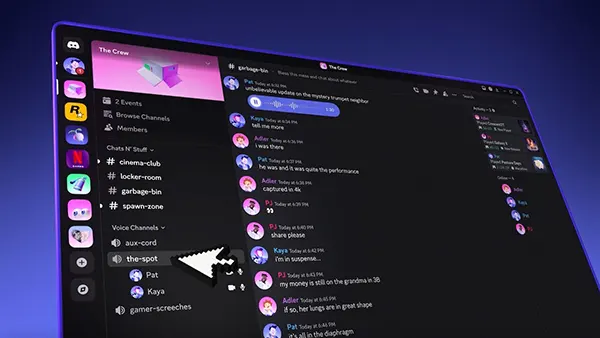
Discord’s server-based structure became one of its defining innovations. Instead of relying solely on private conversations, users could organise communities around specific interests, games, creators, or topics. This structure encouraged long-term engagement because users returned not only to speak with friends but also to participate in wider communities. By 2026, this model remains central to Discord’s identity.
International adoption accelerated because Discord supported large-scale communities while remaining relatively easy to moderate. Volunteer moderators, role systems, permissions, bots, and automated tools allowed communities to grow without losing organisational control. As online communities became increasingly important during the pandemic years and the remote-work expansion that followed, Discord transformed from a gaming utility into a mainstream communication environment.
Discord’s Transformation Beyond Gaming
Although Discord was originally designed for gamers, the company gradually expanded into broader digital communication markets. Educational groups, software development teams, NFT communities, podcast creators, study groups, and fan organisations started using Discord because of its flexible structure. Unlike traditional social networks built around public feeds and algorithms, Discord focused on community participation and direct interaction.
The pandemic years significantly accelerated Discord’s mainstream adoption. Millions of users searched for alternatives to conventional meeting software and social media channels. Discord servers became digital meeting spaces where communities could host live audio events, workshops, gaming sessions, music listening parties, or collaborative discussions. This shift changed public perception of the service and expanded its demographic reach far beyond younger gaming audiences.
By 2026, Discord supports advanced streaming features, AI-assisted moderation tools, integrated applications, developer APIs, monetisation systems for creators, and business-focused collaboration capabilities. The company also invested heavily in mobile optimisation and cross-device synchronisation. These improvements helped Discord compete not only with gaming communication tools but also with professional collaboration services and online community management systems.
The Role of Monetisation and Subscription Features
Discord’s business model evolved carefully over time. Instead of overwhelming users with intrusive advertising, the company prioritised optional premium features through Discord Nitro subscriptions. Nitro introduced higher-quality streaming, larger file uploads, custom emojis, enhanced profiles, and server perks. This approach allowed Discord to generate revenue while maintaining a relatively clean user experience.
The company also expanded monetisation opportunities for creators and community owners. Paid memberships, premium communities, digital storefront integrations, and creator support systems became increasingly important after 2022. These tools allowed server owners to build sustainable communities without relying entirely on external crowdfunding services or sponsorship agreements.
At the same time, Discord faced increasing pressure related to moderation, privacy, misinformation, and online safety. As its audience expanded globally, the company invested in trust-and-safety infrastructure, machine-learning moderation systems, and stronger reporting tools. Balancing user freedom with responsible moderation remains one of the most difficult challenges facing Discord in 2026.
Why Discord Remains Influential in 2026
Discord’s long-term success comes from its ability to adapt without abandoning its original identity. Many communication services lost relevance after rapid expansion because they moved too far away from their core audiences. Discord managed to grow while preserving the community-focused environment that initially attracted gamers. Its design still prioritises direct interaction, private communities, and live communication rather than algorithm-driven content feeds.
Another major factor behind Discord’s continued relevance is its flexibility. A single Discord server can function as a fan club, educational classroom, development workspace, event hub, customer support channel, or social group. This adaptability allows the service to serve completely different audiences without requiring major structural redesigns. Few competitors have managed to create such a versatile communication model.
Jason Citron’s influence also remains central to Discord’s identity. His emphasis on user experience, low-friction communication, and community-driven growth shaped the company’s long-term strategy. Even as Discord became a multi-billion-dollar business operating on a global scale, the company continued refining features around real user behaviour rather than aggressively chasing short-term trends.
Discord’s Future in the Global Communication Market
Looking ahead, Discord is expected to continue expanding into hybrid digital spaces that combine communication, entertainment, creator economies, and collaborative work. The increasing popularity of online communities suggests that users are moving away from massive public social feeds toward smaller, interest-based groups where interaction feels more personal and controlled.
Artificial intelligence will likely play a larger role in Discord’s development strategy during the coming years. AI-powered moderation, automated translation systems, smart community management, and advanced recommendation tools are already becoming part of the service’s infrastructure. However, maintaining user trust while implementing these technologies will remain an important challenge for the company.
By 2026, Discord represents far more than a gaming messenger. It has become one of the defining communication environments of the modern internet era. Its evolution reflects broader changes in how people build communities online, collaborate remotely, and maintain digital relationships across entertainment, education, business, and culture.