

Canva — the Story of Melanie Perkins and the Rise of a Global Design Powerhouse
Melanie Perkins’ journey from a university student in Perth to the co-founder of a multibillion-dollar design company is one of the most cited examples of modern entrepreneurial resilience. Her idea emerged from a simple observation: everyday users found professional design tools overwhelming. By 2025, her company had become a dominant force in visual creation, serving individuals, educators, charities, and businesses across more than 190 countries.
The Origins of a Student Idea
The concept started in 2007 when Perkins taught fellow students how to use existing design software. She noticed that even basic tasks required steep learning curves and often discouraged beginners. This realisation inspired her vision of an accessible online environment where users could create visuals with minimal effort.
Together with co-founder Cliff Obrecht, she launched a smaller project called Fusion Books — a tool for designing school yearbooks. This early venture allowed the team to test their idea on real clients, refine technical solutions, and understand broader design needs. The success of Fusion Books became the foundation for something much larger.
Despite numerous rejections from investors, Perkins continued pitching the idea of a simple graphic creation tool. Her persistence eventually caught the attention of Silicon Valley investor Bill Tai, who became one of the first supporters. This marked the beginning of a focused phase of development, recruitment, and fundraising that would shape the future company.
Turning the Concept into a Global Reality
By 2013, with technical support from engineer Cameron Adams, the first public version of the product was launched. Its core idea was clear: anyone should be able to design high-quality visuals without specialised skills. While the market initially seemed crowded, the team’s focus on usability set the service apart.
The adoption rate was rapid. Schools, non-profits, freelancers, and small companies embraced the tool because it simplified tasks that previously required professional designers. The real turning point came when marketing professionals and global brands began incorporating it into their workflows.
By 2025, the company reported hundreds of millions of active users, with growth supported by continuous innovation, including collaboration features, accessible editing tools, and integrations with other online services. Throughout this expansion, Perkins maintained a clear mission: to make design accessible for everyone, regardless of experience.
Scaling the Business and Maintaining Vision
Building a global service required thoughtful scaling. The company strengthened its engineering teams in Sydney and expanded internationally. Clear operational priorities were defined: security, transparency, stability, and user needs. Maintaining an intuitive interface while adding complex functions remained a central challenge.
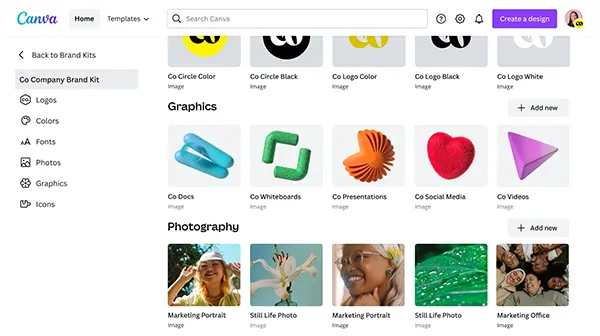
Under Perkins’ leadership, the company diversified its product range by introducing features for documents, presentations, video editing, and brand asset management. These changes allowed the service to meet the growing demands of educators, enterprises, and content creators in 2025.
The focus on social impact also became a notable part of the brand’s identity. Tens of thousands of non-profit organisations gained free access to premium tools. Perkins consistently emphasised long-term value and global accessibility over short-term gains, reinforcing the company’s reputation for ethical growth.
The Role of Company Culture in Sustained Success
The leadership team prioritised a culture built around innovation, respect, and transparency. Decision-making processes were grounded in long-term sustainability instead of rapid expansion for its own sake. Employees were encouraged to contribute their perspectives and improve internal systems continuously.
Remote and hybrid work became an integral part of operations by 2025. Flexible structures helped maintain productivity while enabling recruitment of specialists worldwide. Such cultural principles contributed to the company’s recognition as one of the most desirable workplaces in Australia.
Strong communication channels, internal training programmes, and commitments to diversity strengthened trust within teams. These elements helped maintain consistency in product development and strategic planning as the company expanded globally.
The Impact of Canva on Global Design
By 2025, the service shaped how millions of people approached digital creation. It lowered barriers that previously limited access to professional visual tools. For many startups, educational institutions, and charities, it became a cost-effective solution for producing materials that once required specialists.
The company’s influence spread across industries such as education, marketing, e-commerce, and online learning. Accessible creation tools allowed users to produce visual materials in seconds, supporting growth in digital literacy and creativity. This shift contributed to wider participation in online visual communication.
As the digital landscape evolved, the company continued investing in new technologies, ethical data usage, and responsible AI. These efforts ensured that users could rely on consistent quality and stability while creating materials for education, business, or personal projects.
The Continuing Journey of Melanie Perkins
Perkins remains one of the youngest female founders to lead a globally recognised company valued at tens of billions of dollars. Her leadership philosophy emphasises purpose-driven growth and long-term responsibility to users, partners, and society.
Her commitment to philanthropy expanded through the company’s charitable initiatives and personal contributions. Perkins and Obrecht joined the Giving Pledge, committing a majority of their wealth to social causes, education, and sustainability. This reinforced their belief that successful businesses should prioritise positive impact.
In 2025, the company continued to evolve under a clear mission: making creative expression accessible, intuitive, and practical for everyone. Perkins’ story remains a testament to how a single idea, supported by persistence and a strong vision, can transform global digital creation tools.